Peptide Purity Guide 98%, 99% & Research-grade Explained Prg
Peptide Top Quality: Value Of Third-party Validation
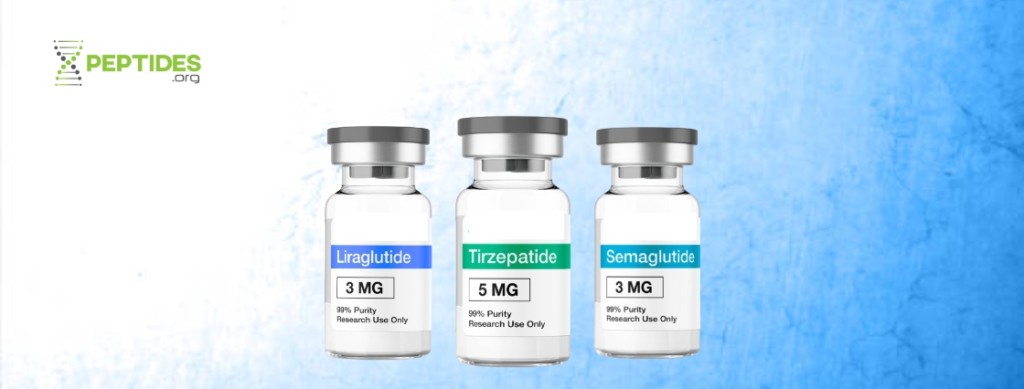
High purity is preferable since also little impurities might interfere with speculative results or analyses. This post will certainly damage down just how peptide purity is gauged, why it stands out from peptide identification, what the typical purity degrees (95%, 98%, 99%) indicate, and what "research-grade" means in technique for peptide reagents. Many peptide programs run into analytical uncertainty before they fall short medically. We utilize sophisticated reverse-phase HPLC to figure out the pureness of customer peptide samples.
What Does Hplc-tested Mean?
- BOC Sciences has a top-tier peptide top quality screening system, integrating sophisticated analytical technologies and high-end instrumentation to offer exact and efficient peptide quality analysis services.
- This front-end evaluation lowers rework and improves the opportunity that the very first analytical pass will currently be decision-useful.
- Identification testing asks whether the gauged mass or sequence-related evidence matches the designated peptide.
- You can frequently examine if a laboratory is certified by means of its site or documents; certification guarantees the laboratory's methods and results are held to global requirements.
- Specifically modified peptides or cyclic peptide sequences are difficult to validate, which impacts quality assurance.
The liquified peptide sample is injected into a stream of liquid solvent (the mobile phase) that moves via a tube packed with tiny particles (the stationary stage). Various molecules "stick" to those particles with various strengths, so they travel via the column at different rates. Subtle differences in raw material pureness and structure can cause disparities in the activity of the final product.
Performance Cookies
Together, these logical approaches offer the proof base for ending that a peptide set appropriates for research usage. One more associated term you could run into is net peptide content, which is different from purity. Net peptide material describes how much actual peptide (by weight) remains in the vial about non-peptide components like water, counter-ions (e.g., TFA), or barrier https://www.mapleprimes.com/users/cillenongr salts.
Chromatography Column
Creative Peptides proposes a collection of various pureness degrees to assist you choose the best peptide purity for peptide-based assays and applications. The following checklist shows the recommended peptide pureness levels needed for numerous peptide applications. Peptide recognition is largely done using mass spectrometry (MS), which provides accurate dimensions of peptide molecular weight. Furthermore, strategies such as amino acid evaluation and HPLC are used to verify the peptide's identity and pureness, ensuring accurate characterization for various applications. We supply peptide identity confirmation using mass-based techniques picked for the example and analytical function. This is essential when the major inquiry is whether the observed component matches the designated peptide or whether an adjustment has actually been included as expected.
They are labeled "for research study use only" to explain that they are planned for in vitro experiments or animal research studies, not for any type of human usage. In fact, a lab offering peptide testing need to provide data meeting the stringent analytical expectations of agencies like FDA and EMA [4] By using a certified third-party lab, peptide suppliers or scientists Peptide Purity make certain an honest and professionally documented assessment of high quality, which is specifically what examiners seek. Furthermore, recurring independent testing sustains conformity in batch release and quality control. Laboratory recognition for peptides suggests making use of scientific examinations to verify a peptide's identification, pureness, and composition. In technique, this frequently includes third-party or independent testing by an outside lab to confirm that a peptide item actually has what the tag asserts [2] BOC Sciences, with its robust analytical system and expert team, concentrates on quality testing solutions for peptide basic materials, peptide microspheres, peptide nanoparticles, and peptide formula preparations. We work with biotech, pharmaceutical, CRO, CDMO, and academic teams on peptide chemical and physical evaluations that sustain research study and non-clinical decision making. Call us today to discuss your peptide sequence, sample standing, and logical purposes.
